How the Brooklyn Bridge Changed Construction Safety, and Why Tenant Protection Plans Matter in NYC Today
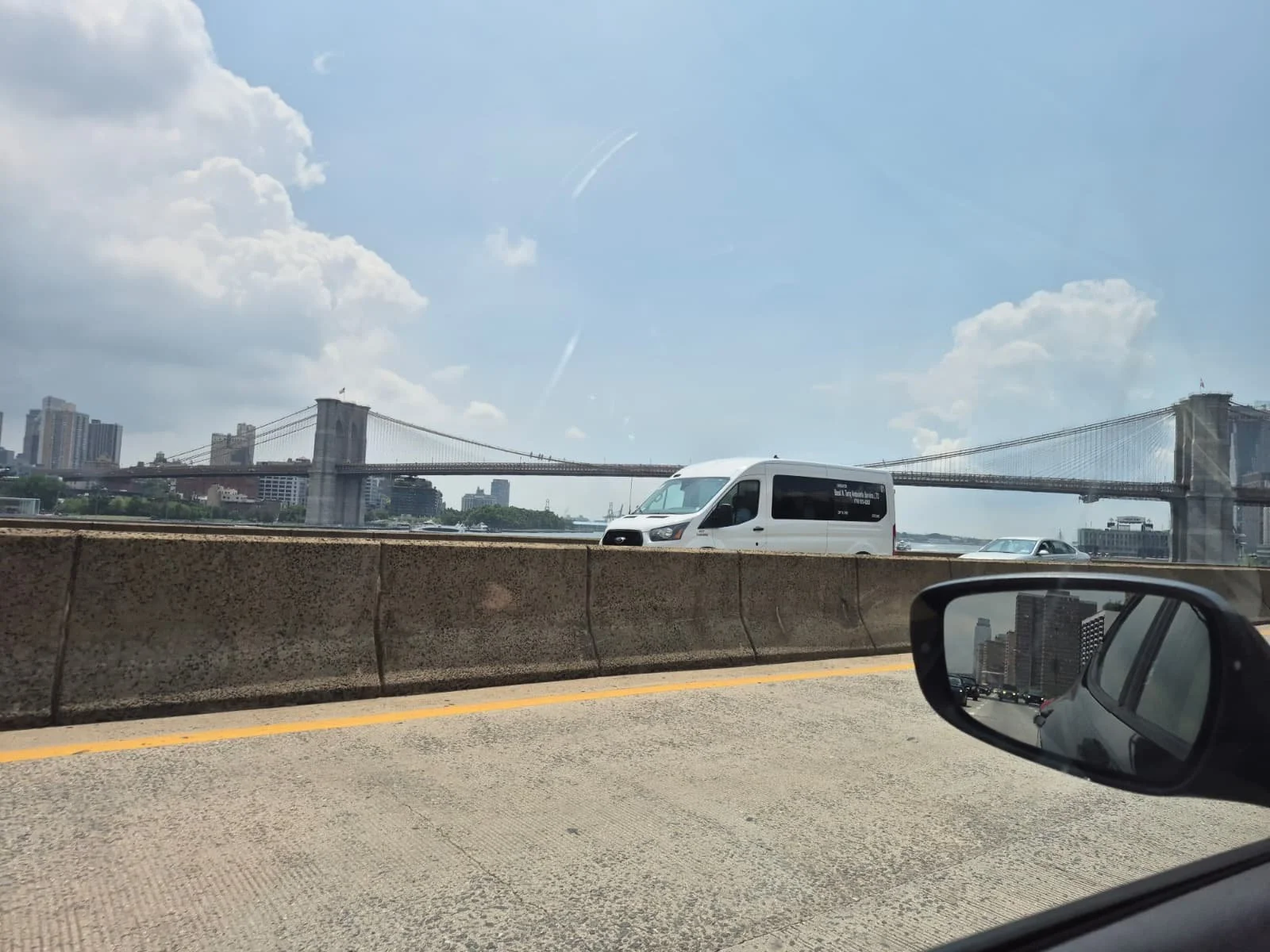
The Brooklyn Bridge’s dangerous caisson fires shaped modern construction safety.
Learn why a Tenant Protection Plan NYC is required and how it protects buildings, residents, and projects.
A Marvel Built Under Dangerous Conditions:
When the Brooklyn Bridge was completed in 1883, it was the longest suspension bridge in the world, an engineering achievement that transformed New York City.
What many people don’t realize is that beneath its iconic towers lie massive timber caissons pressurized, bottomless wooden chambers sunk into the East River to create stable foundations.
Inside these caissons, workers excavated riverbed soil under extreme air pressure.
The conditions were hazardous - Workers faced:
High-pressure environments
Limited ventilation
Extreme heat
Fire risk
Decompression sickness (Then called caisson disease)
Washington Roebling, the bridge’s chief engineer, suffered from decompression sickness himself. A stark reminder of the risks construction workers once faced without modern safety standards.
Fires Below the Waterline - When the Caissons Burned:
Beyond caisson disease, another serious threat emerged — fire.
The caissons were constructed from timber and sealed with tar. In a high-pressure environment filled with wooden structural components, the risk of fire was significant.
On the Brooklyn side, exposed flames used during construction ignited dangerous fires inside the caisson roof.
The fires were difficult to detect and nearly impossible to extinguish due to:
Pressurized working conditions
Limited visibility
Unknown fire origin points
Confined space restrictions
Ultimately, the caisson had to be completely flooded to ensure the fire was extinguished.
This event occurred decades before modern construction safety regulations existed.
There were no formal confined space rules, no mandatory fire safety protocols, no OSHA.
Safety measures were reactive, developed only after something went wrong.
From 19th Century Risk to Modern NYC Construction Safety Laws:
The hard lessons learned from projects like the Brooklyn Bridge shaped the evolution of construction safety standards in the United States.
Today, construction in New York City operates under some of the strictest safety regulations in the country, including:
NYC Department of Buildings (DOB) oversight
Mandatory site safety plans
Special inspections
Fire safety requirements
Confined space regulations
OSHA standards
Tenant Protection Plan (TPP) requirements
Modern construction no longer waits for accidents to dictate policy.
Safety planning is required before work begins.
Lessons from the Brooklyn Bridge for Today’s NYC Construction:
The construction of the Brooklyn Bridge was groundbreaking, however it came at a cost.
Workers endured hazardous conditions that would be unacceptable by today’s standards.
Modern construction safety laws, including Tenant Protection Plan requirements in NYC, exist because of lessons learned from the past.
Tenant Protection Plan NYC - Protecting Buildings, Residents, and Projects:
Specifically for:
A property owner planning renovations
A building manager overseeing occupied construction
An architect filing alteration applications
A contractor performing work in residential buildings
A properly prepared Tenant Protection Plan NYC is essential.
At AG Engineering, we prepare comprehensive Tenant Protection Plans that meet NYC DOB requirements and protect all parties involved. Our approach emphasizes compliance, safety, and risk reduction.
Final Thought
The Brooklyn Bridge stands as a symbol of engineering innovation, and of the evolution of construction safety.
Today’s Tenant Protection Plan requirements ensure that progress never comes at the expense of safety.
In modern NYC construction, protecting people is not optional — it is the foundation of every successful project.