Tenant Protection Plan (TPP) Common Methods
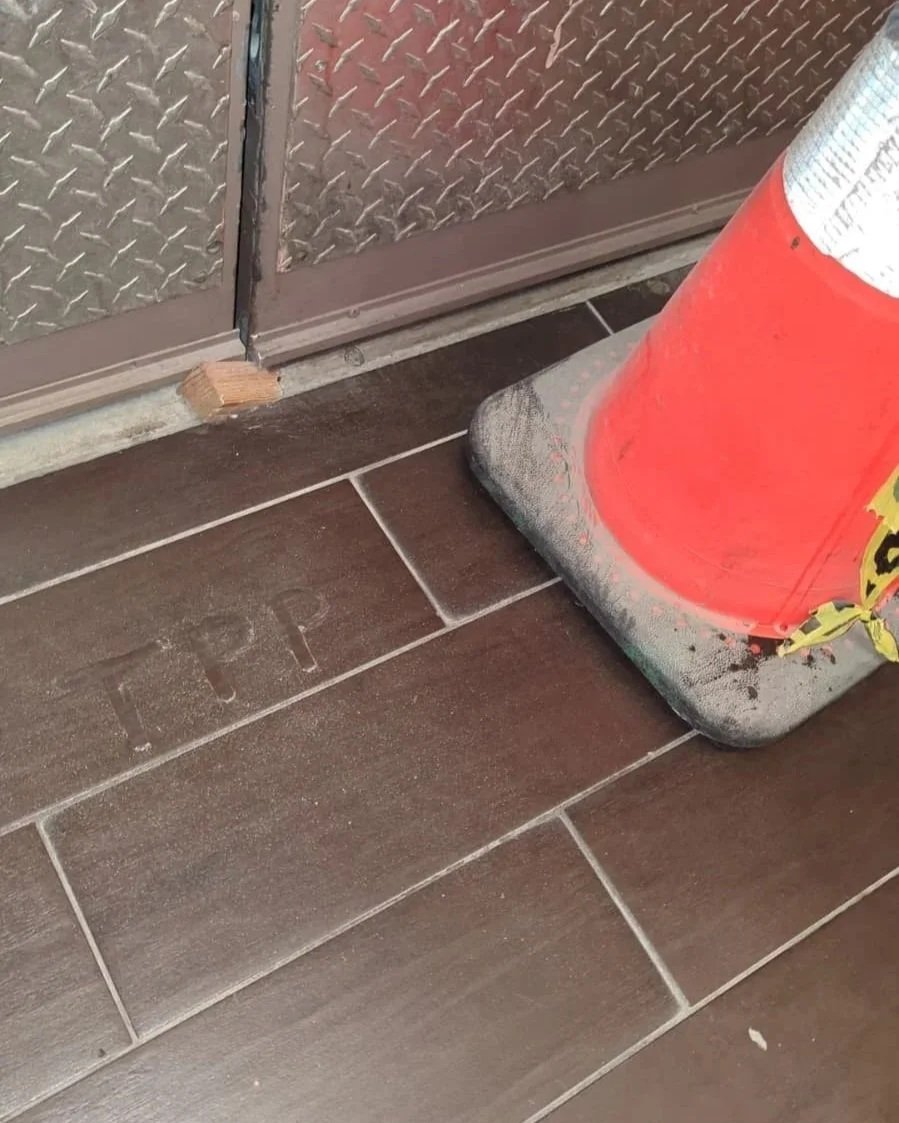
1. Dust Control
2. Temporary Barriers & Containment Zones
3. Noise Control & Work Hour Scheduling
4. Vibration Monitoring & Structural Protection
5. Indoor Air Quality (IAQ) Protection
6. Safety, Egress, and Fire Protection
7. Utility Shutdown Planning
8. Site & Tenant Traffic Management
9. Communication Plan (Tenant Notifications)
10. Daily Cleaning & Closeout Procedures
Common TPP dust control methods include:
Seal temporary partitions, usually with poly sheeting, hard walls, or panel systems
Use air scrubbers equipped with HEPA filters
Sticky mats at all entrances and exits
Dust collection tools for cutting and grinding
Covered debris carts and controlled transport routes
Fact: Excess dust is a common complaint because it affects, comfort, cleanliness and some allergies.
Common TPP containment and barrier methods include:
Floor to ceiling barriers, most common in corridors
Zip-wall around access doors or entry points
Locked construction access paths
Signage: “Authorized Personnel Only”
Fact: Containment keeps tenants separated from active work areas to avoid injuries and liability.
Common TPP noise control methods include:
Scheduling loud work during low occupancy times, such as during the day on weekdays
Using quieter equipment or alternate methods when possible, for example core drilling vs jack hammering
Installing temporary acoustic blankets or panels, to try contain some noise
Notifying tenants ahead of time
Fact: Noise is the #1 tenant complaint.
Common TPP vibration control methods include:
Pre-construction condition surveys (photos, notes, floor/wall cracks)
Vibration monitoring sensors (when required)
Limiting demolition methods near sensitive areas
Verifying structural limitations before heavy equipment use
Fact: Vibration can damage finishes, damage sensitive equipment, and cause tenants to complain.
Common TPP air quality methods include:
HEPA filtration units inside work zones
Isolating HVAC returns and supply diffusers near work areas
Maintaining clean pathways and daily clean up
Preventing smells from adhesives, paints, coatings
Fact: In occupied buildings, air quality control is essential.
Common TPP safety methods include:
Maintaining clear emergency exits at all times
Protecting sprinkler heads, fire alarm and smoke detectors
Fire watch procedures (if systems are offline)
Posting temporary evacuation route signage
Fact: Tenant safety is non negotiable and rules need to be adhered to.
Common TPP utility shutdown management methods include:
Planned outage schedules and approvals
Temporary power (generators) when required
Maintaining water and restroom availability
Notifying tenants and building management in advance
Fact: Unplanned shutdowns create tenant panic and damage trust.
Common TPP logistics methods include:
Designated service elevators for construction
Separate contractor entrances when possible
Staging materials off peak times
Controlling deliveries and debris removal times
Fact: This plan prevents conflict and congestion.
Common TPP communication methods include:
Weekly tenant updates
Advance notices for loud work or shutdowns
Single point of contact for complaints and escalation
Signage with work hours, access restrictions, and safety warnings
Fact: Communication is always the key to success.
Common TPP cleaning methods include:
End of shift wipe down in shared corridors
Daily debris removal
Protecting flooring with temporary coverings
Tracking and documenting cleaning logs
Fact: Cleanliness makes site renovations and construction more tolerant for tenants and pedestrians.